
At 11:57 p.m. ET on November 3, S&P 500 futures were down 1.3%. These contracts track the S&P 500, a stock index of large US companies. An index is a single number that follows the prices of a group of stocks. US midterm election results were coming in at the time.
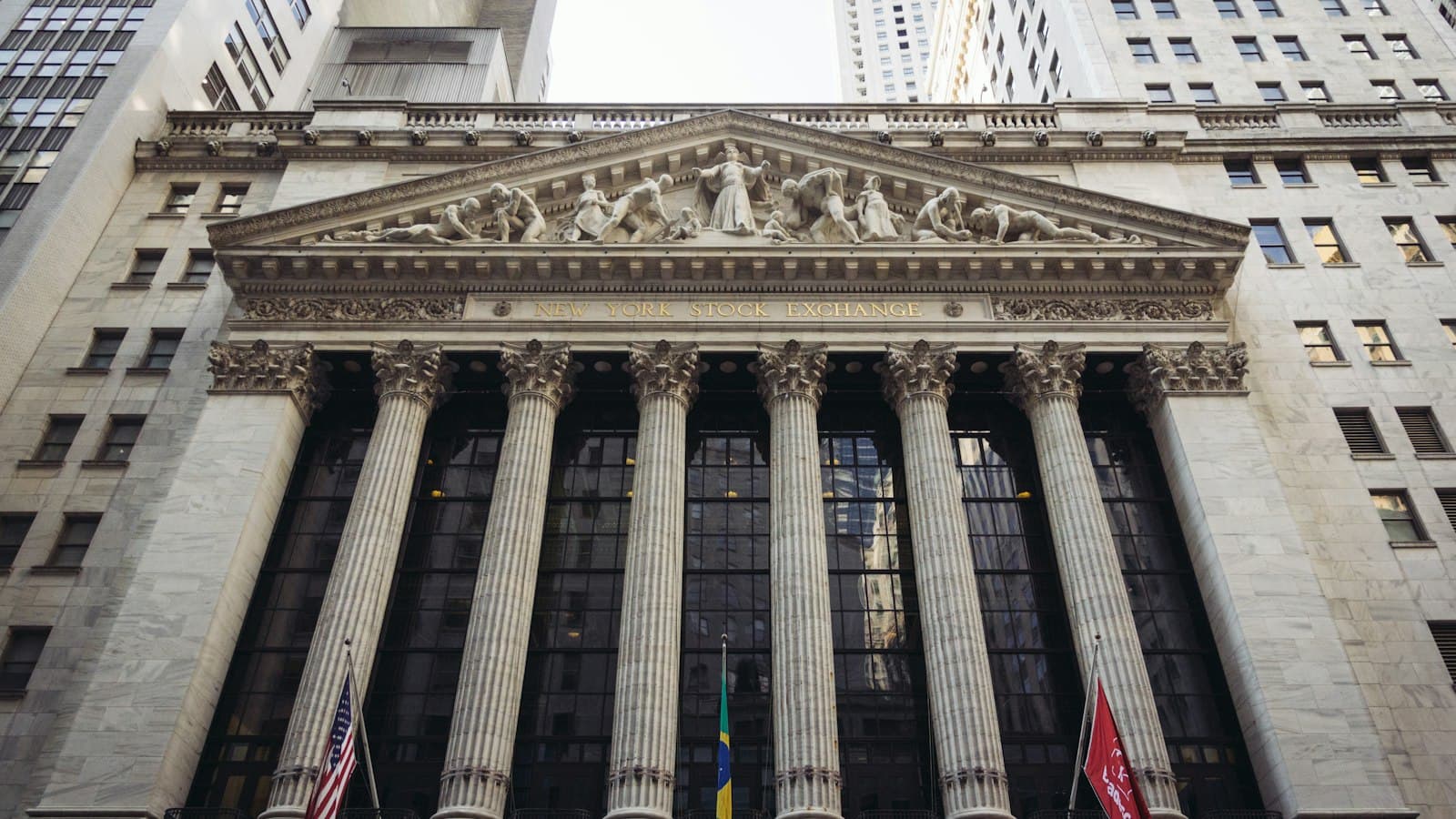
By early November 4, the same contracts had turned positive, up 0.2%. The New York Stock Exchange stayed closed for the whole move.
Many investors do not watch this market. Investors can use that night to see the uses and the limits of an overnight price.
A market that keeps trading after the bell
The S&P 500 closed at 7,568.92 on November 3, up 0.36%. US stock exchanges stopped regular trading at the closing bell, the end of the trading day. Traders kept buying and selling S&P 500 futures.
A futures contract is an agreement to buy or sell something at a fixed price on a later date. E-mini S&P 500 futures are contracts tied to the value of the S&P 500 index. Traders push their price up or down based on their view of the index's worth.
Traders buy and sell these contracts on CME Globex, an electronic market that CME Group runs. CME keeps the market open from Sunday 6:00 p.m. to Friday 5:00 p.m. ET. It pauses the market each day from 5:00 p.m. to 6:00 p.m. ET for maintenance. Outside that break, a trader in Chicago, London or Tokyo can buy or sell at any hour.
Traders put that schedule to use on November 3. Officials counted votes after US stock exchanges had closed. Traders saw the results on their screens during the Asian trading day. They used futures to act on US stocks during those hours.
11:57 p.m.: futures fall
By 11:57 p.m. ET on November 3, traders were selling futures on the major US indexes. S&P 500 futures were down 1.3%. The Dow Jones Industrial Average is another index of large US companies. Its futures were down 0.8%.
Nasdaq-100 futures fell 2.2%. The Nasdaq-100 tracks the 100 largest companies on the Nasdaq stock exchange outside the finance industry. Technology and chip companies make up a large share of it. Its futures had the largest drop of the three.
 Bar chart showing S&P 500 futures down 1.3%, Nasdaq-100 futures down 2.2% and Dow futures down 0.8% at 11:57 p.m. ET on November 3
Traders in other markets reacted at the same hour. The 10-year Treasury yield is the interest rate the US government pays to borrow for 10 years. A basis point is a hundredth of a percentage point. It takes 100 basis points to make one percentage point. The 10-year yield fell 6 basis points to 4.906%.
The US dollar index measures the dollar against a group of major currencies. It was down 0.32%.
Lower yields and a weaker dollar are consistent with traders moving money into safer assets. Safer assets are investments that people expect to hold their value in bad times. Traders made their biggest moves in stock futures.
By morning: back above zero
By early November 4, traders had erased the earlier losses in futures. S&P 500 futures were up 0.2%. Nasdaq-100 futures gained 0.3%, and Dow futures rose 0.5%.
 Bar chart showing S&P 500 futures up 0.2%, Nasdaq-100 futures up 0.3% and Dow futures up 0.5% after turning positive in early November 4 trading
Two companies reported results as prices turned. AMD reported adjusted earnings of $2.09 per share. Earnings per share is the profit for each share of stock. Adjusted earnings are the profit left after a company strips out some one-time items. Analysts, the researchers who forecast company results, had expected $1.95.
Arista Networks sells networking equipment used in data centers. The company forecast fourth-quarter sales of $3.9–4.0 billion. Analysts had expected $3.60 billion. Investors pushed Arista's stock up 12%.
Treasury yields stayed lower over the same hours. Lower yields mean bonds pay less interest. Stocks can look better to investors by comparison.
Some stocks kept falling as traders bought back into index futures. Trump Media fell more than 7% in overnight trading. Tesla dropped more than 4%.
Europe followed the same path
Traders in Europe saw a similar swing. STOXX futures are contracts tied to the STOXX 600, an index of large European companies. They fell as much as 1.4% before European exchanges opened.
After the exchanges opened, the STOXX 600 rose 0.5%. Bank stocks climbed more than 2%. The index closed November 4 up 0.59% at 649.44.
In Europe, a deep overnight drop in futures came before a higher open. The futures low and the opening level were both real prices. Different groups of traders set them at different hours, with different news in hand.
Reading an overnight futures price
An overnight futures price comes from a real trade. A buyer and a seller agreed on that level at that minute. They set it with the news they had at that hour.
An overnight price has two limits. Fewer traders sit at their desks at midnight in New York than during the US trading day. A smaller crowd can cause a bigger price move on the same headline.
News keeps arriving between midnight and the opening bell, the start of regular trading. On November 3 and 4, that news included vote counts, company results and a drop in bond yields.
A futures price and the index level differ for a technical reason. The contract comes due on a set future date. Traders build two costs into its price: interest and expected dividends up to that date. Dividends are cash payments that companies make to their shareholders.
Data providers measure this gap with a figure called fair value. Fair value is the futures price you would expect from the index level, once you account for interest and dividends.
The 11:57 p.m. price and the early-morning price were both accurate for their hour. The 11:57 p.m. price gave no forecast of the morning price. Traders' orders after the opening bell set the S&P 500's opening and closing levels on November 4.
Your portfolio and the overnight price
An index mutual fund pools investors' money to track an index. The fund company prices it once a day, at the market close. The company does not change that price for a 1.3% overnight drop in S&P 500 futures. That drop reflects one crowd's mood at one hour.
An active trader makes frequent trades. That person cares most about timing and the place of each trade. Futures let traders act while the stock exchange is shut. A midnight price comes from a thinner crowd and from news that has not finished arriving.
On the night of November 3, S&P 500 futures went from a 1.3% drop at 11:57 p.m. to a 0.2% gain by early morning.
The US jobs report is the next scheduled event of this kind. Nonfarm payrolls count the jobs that US employers added outside of farming. The October nonfarm payrolls report is due Friday, November 6, at 8:30 a.m. ET. The report comes out before the stock exchange opens. Futures traders will be the first in the US stock market to trade on it.
Sources
Not investment advice.